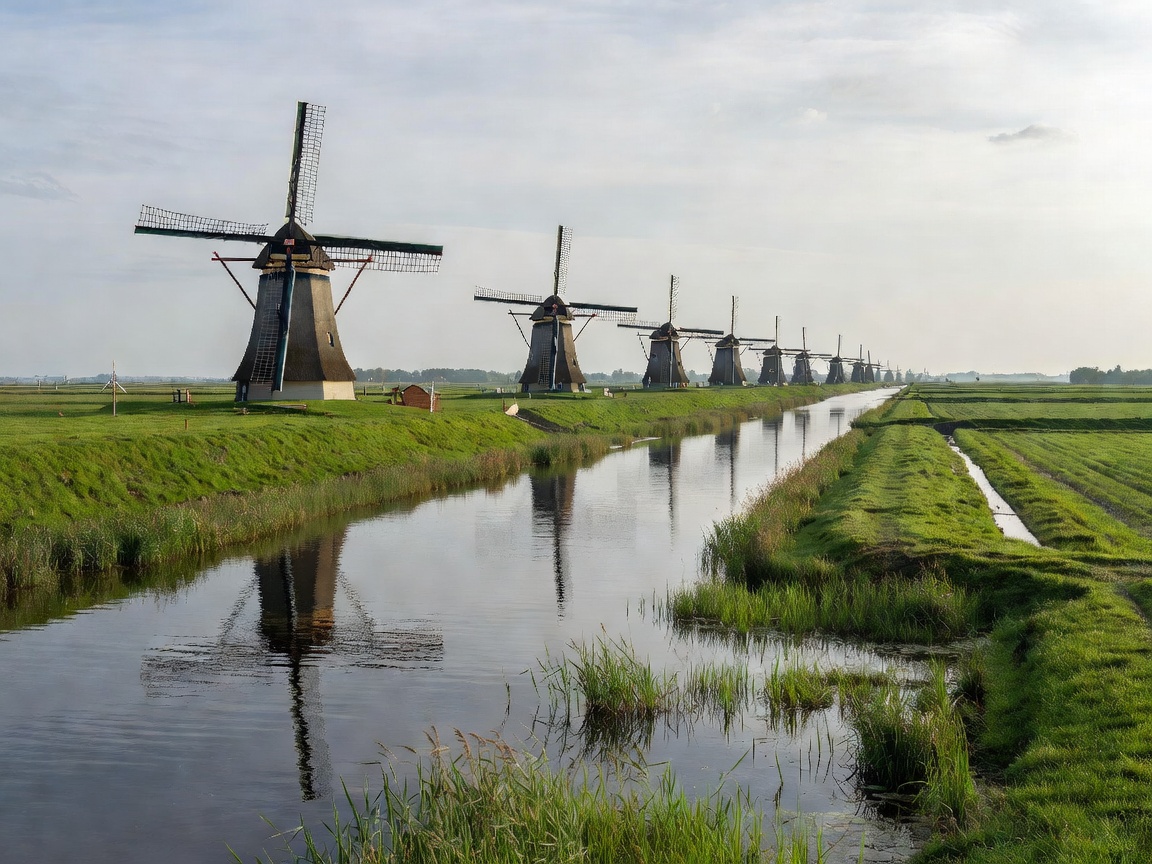
Monumental Polder Architecture

Wind, Water & Dutch Industrial Mastery

For more than seven centuries, the people of the Low Countries harnessed maritime gales to pump water uphill, saw structural Baltic timber, and mill grains. Explore the authentic mechanical heritage that transformed tidal marshes into stable civilization.

Curated Field Investigations

The Netherlands’ Premier Historic Mill Systems

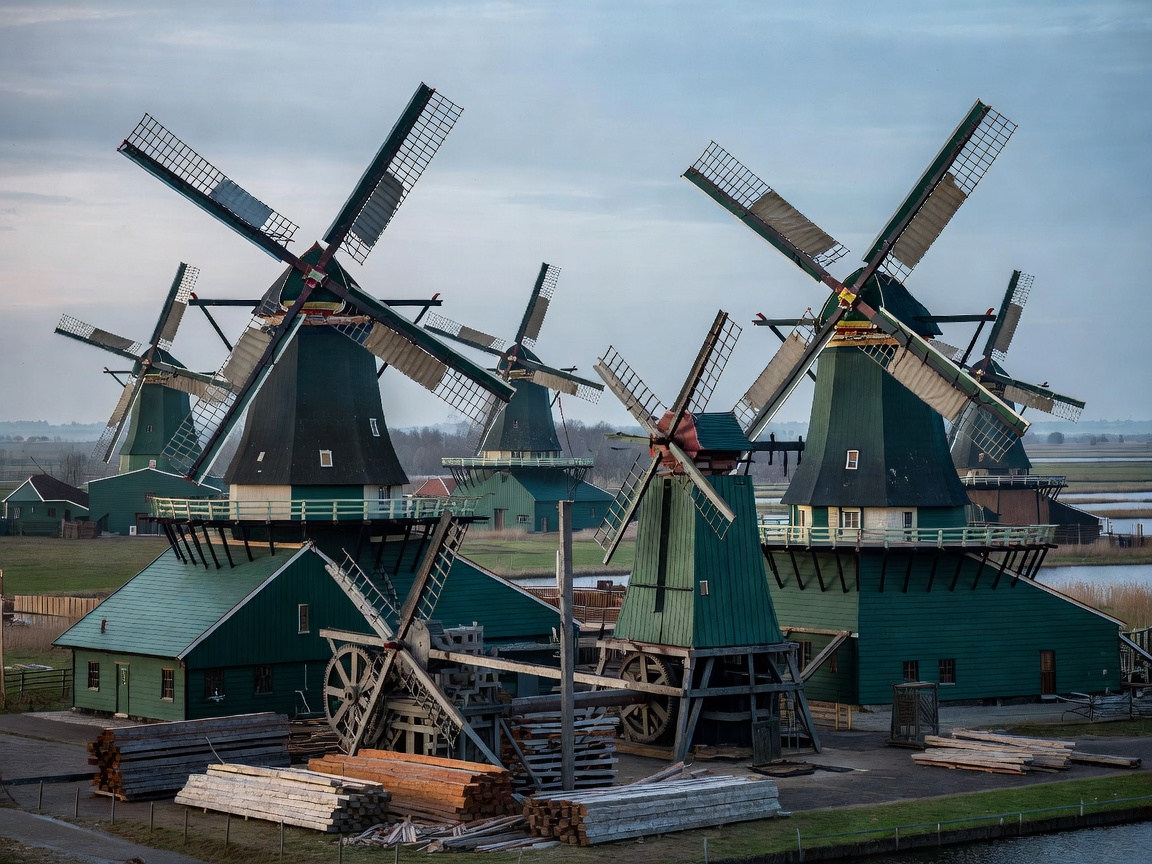
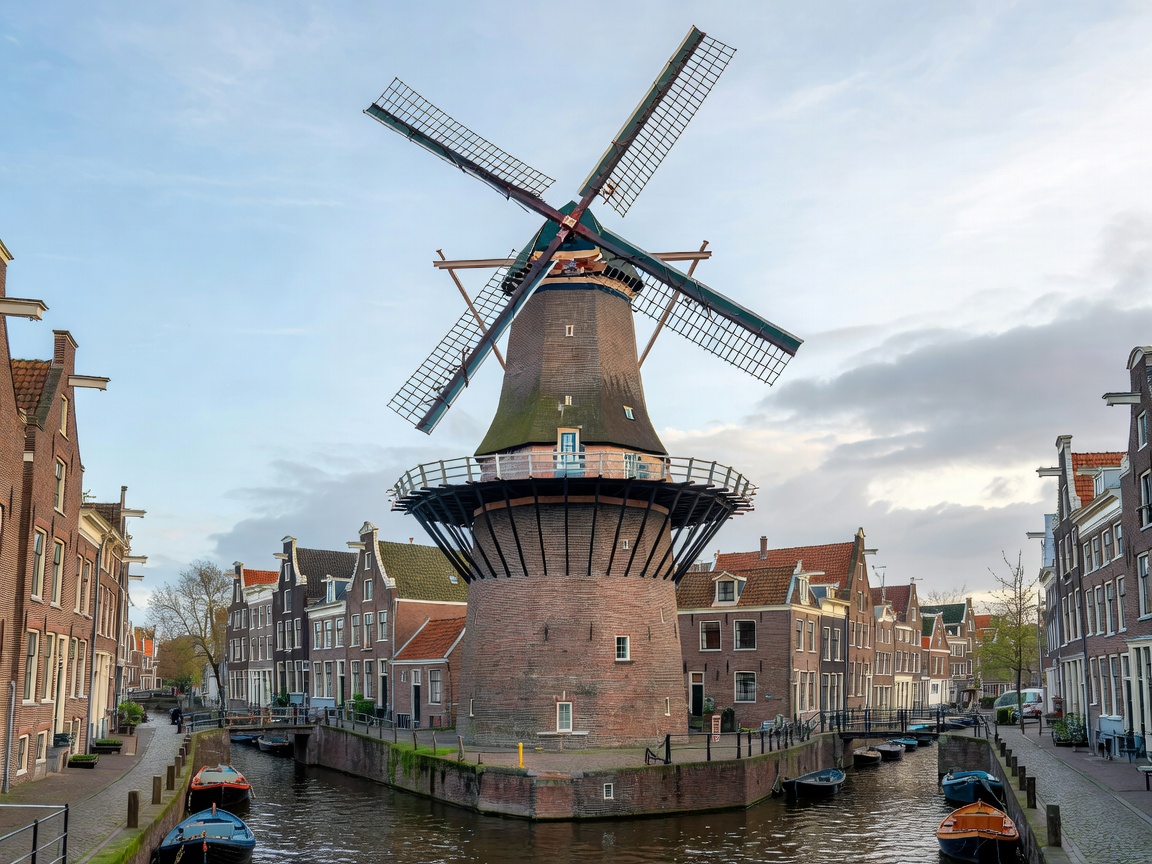
Each regional complex represents a specific functional epoch—from large-scale territorial polder drainage networks to industrial pre-steam manufacturing quarters and urban grain production.

1,200+ Preserved Historic Mills
19 Kinderdijk UNESCO Mills
33.3m Peak Tower Hub Altitude
1972 Founding of Guild of Millers
Anatomy of Innovation

The Three Pillars of Lowland Wind Power

Unlike static Mediterranean grain mills, Dutch millwrights had to resolve marshland subsidence, rapid North Sea squall shifts, and the continuous backpressure of canal drainage.

1. The Rotating Cap & Tailpole

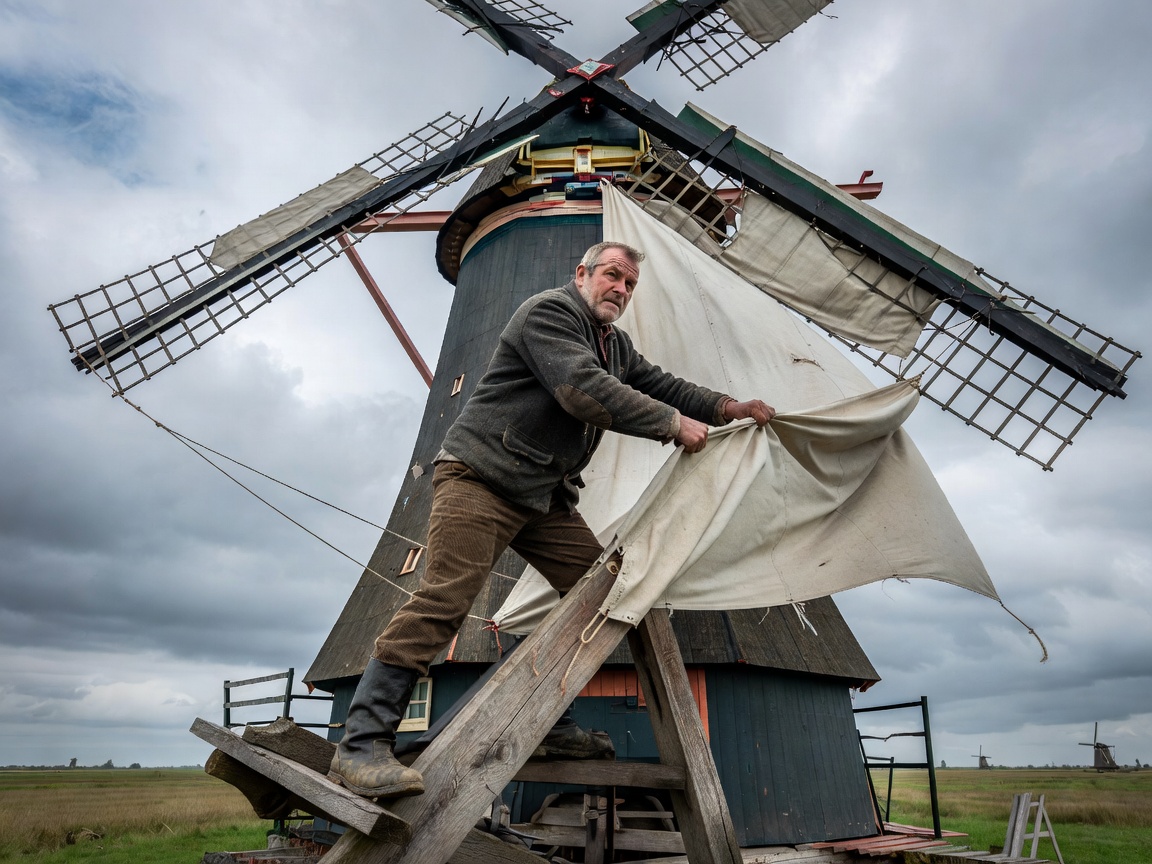
By decoupling the main hull from the cap (bovenkruier), millwrights allowed multi-ton wooden caps carrying the windshaft and sail arms to turn 360 degrees, tracked via winch chains and the long tailpole system (staart).

2. Wooden Braking Bands

Stopping an 80-foot rotor in storm conditions required the vang—a curved timber brake band of willow or linden segments hugging the brakewheel, released through a counterbalance beam that drops instantly in emergencies.

3. Internal Geared Train

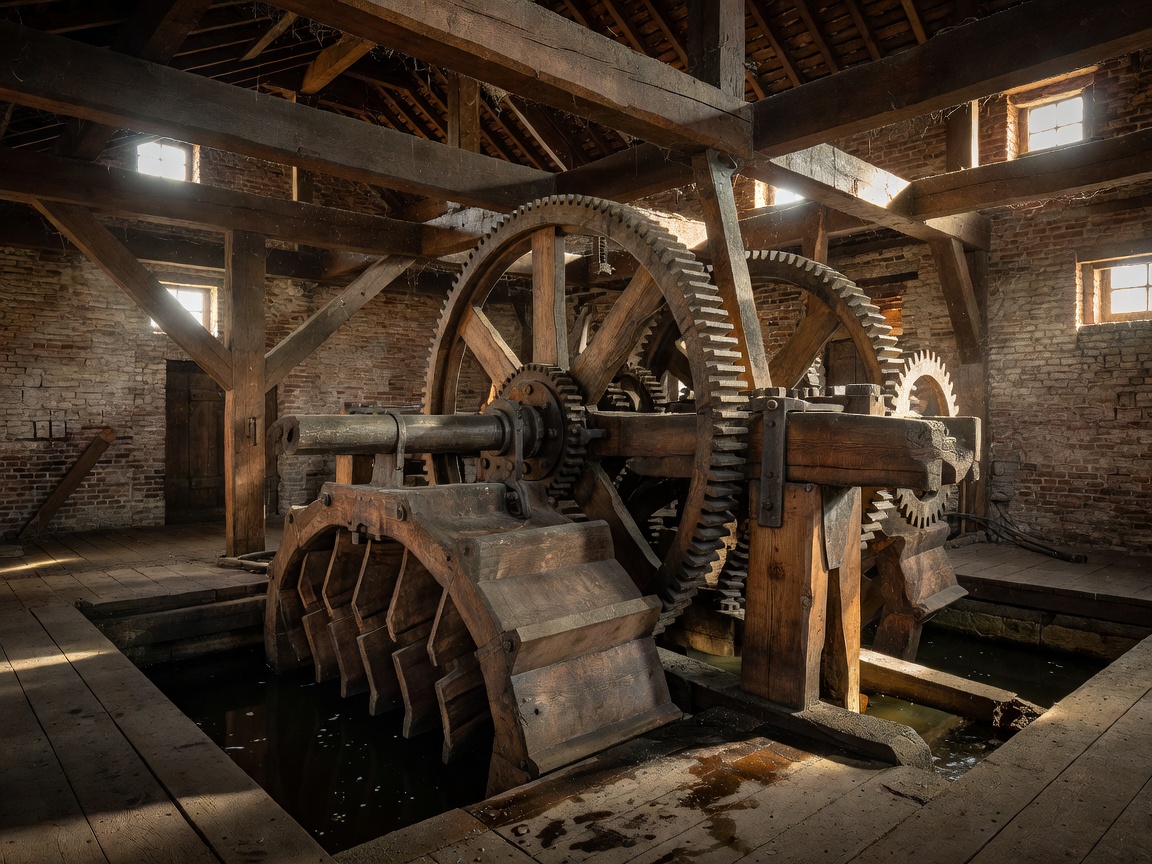
Using hard hornbeam cogs fitted into oak apple-wheel rim rings, vertical rotational force was transferred 90 degrees downward through an upright shaft to water scoop wheels or horizontal millstone spindle gears.